






Lessons
Spiritual development is a key element of your mission trip experience, and it will unfold across the phases of the trip: before, during, and after. As a team leader or participant, you play an important role in cultivating spiritual growth throughout each stage of the mission trip.
Discipleship is central to the mission of 410 Bridge mission trips. Serving cross-culturally can be a powerful catalyst for spiritual growth and for deepening personal relationships with Christ. Each team is unique, and you will have people with varied backgrounds and levels of spiritual maturity. It’s crucial to meet people where they are and avoid expecting everyone to be at a certain level. Recognize and capitalize on teachable moments by helping your team make spiritual connections to what they’re experiencing.
You might start by asking, “How did you see God at work today?” Be creative, and ask God to reveal opportunities to you throughout the journey. As a team leader, you have the opportunity to encourage spiritual growth through your example, daily devotionals, and team debriefs. As a participant, you are invited to engage with an open heart, reflect on what God is teaching you, and encourage those around you.
This journey of growth will impact not only your team but also the communities you serve. Throughout the trip, make space for quiet reflection, team devotionals, and debriefs to help keep the focus on spiritual growth and what God is doing through the experience.
Unity in Christ
Ephesians 4 calls all believers to unity, reminding us to love, respect, and honor everyone we encounter—especially fellow members of the body of Christ. As a non-denominational organization, 410 Bridge honors these biblical principles to foster unity among diverse team members and community members alike.
“Be completely humble and gentle; be patient, bearing with one another in love.” – Ephesians 4:2 (NIV)
We believe that God’s love transcends race, gender, and social status, as reflected in Galatians 3:28: “There is neither Jew nor Greek, slave nor free, male nor female, for you are all one in Christ Jesus.”
Let this love guide the team’s interactions with each other and the people they meet.
Preparing Your Heart for the Spiritual Journey
Approach the spiritual aspects of your trip thoughtfully and prayerfully. A mission trip is an opportunity for every team member to grow in faith, step outside their comfort zone, and discover how God is working in and through them.
Discover Spiritual Growth Opportunities: Take time to consider what the next step in your spiritual journey may be. Is it praying out loud for the first time? Sharing your testimony? Stepping out of your comfort zone? Leading a devotional? Be open to how God may use this experience to stretch and strengthen your faith. Team leaders can encourage and support team members as they discover these opportunities.
Spiritual Challenges: Often, stepping out in faith to serve on a mission trip brings about resistance or challenges. Whether through doubts, obstacles, or fears, spiritual warfare can try to weaken your resolve. Help your team recognize that this resistance is common and encourage them to stay grounded in prayer.
Consider Establishing Prayer Partners: Consider partnering with someone on your team for prayer, encouragement, and support throughout the preparation process and during the trip.
Seek Prayer Support: Invite friends, family, and church members to pray for your team as you prepare and serve. Prayer support is just as important as preparing financially for the journey.
Preparing Testimonies: Sharing your personal faith story can be a powerful way to connect with others. Take time to reflect on how God has worked in your life and consider how you might share that story authentically during your trip. Consider sharing your testimony with your team.
Serving in Community
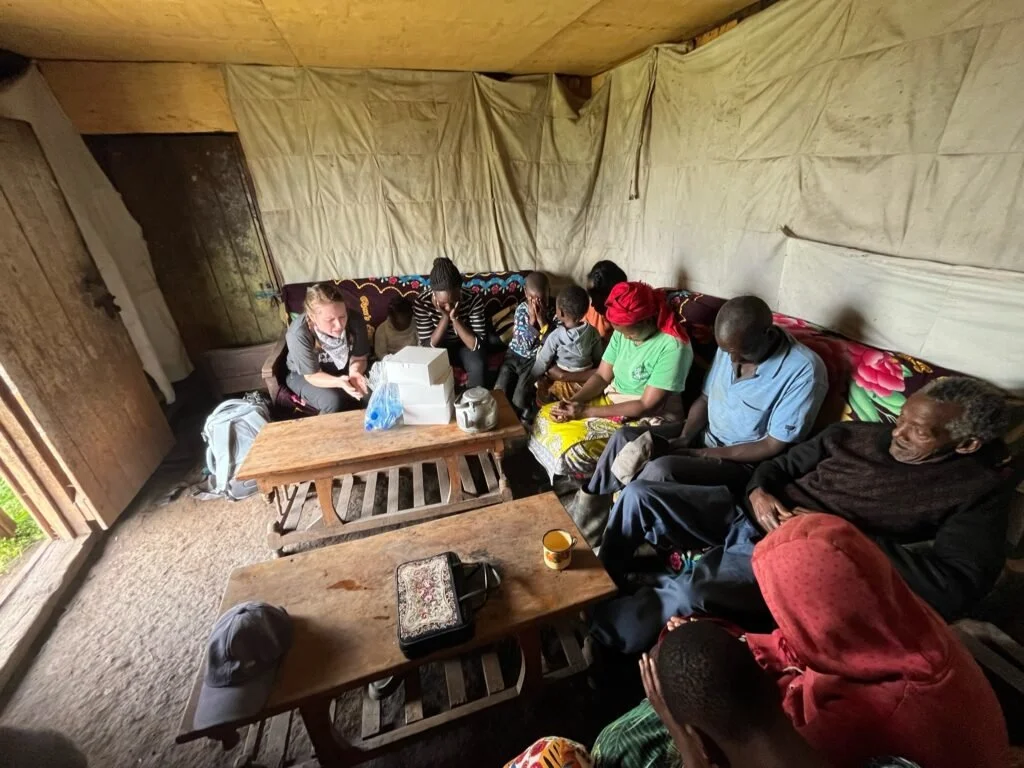
While serving in-country, it’s important to remember that the people you interact with may already have a faith background, though not all may have a personal relationship with Christ. Our goal is not to convert or change denominations, but to honor and learn from one another’s perspectives while demonstrating God’s love through humility, respect, and authentic relationships.
Discover Spiritual Growth Opportunities: A mission trip provides opportunities for every team member to grow in faith and recognize how God is working. Be open to the ways God may stretch you—whether through praying out loud for the first time, sharing your testimony, leading a devotional, or stepping into meaningful conversations with others. Team leaders have the unique opportunity to encourage and create space for these moments, but every participant plays a role in pursuing spiritual growth and staying focused on the purpose of the trip: serving others and glorifying God.
Daily Devotionals: Each morning, your team will begin the day with time for prayer and devotion. This is an opportunity to ground the day’s activities in Scripture and seek God’s guidance for the experiences ahead. Teams may use provided resources or choose devotionals that best fit their group. Consider inviting different team members to help lead these moments and encourage shared ownership of the spiritual journey.
Debriefs: Each evening, gather as a team to reflect on the day’s experiences. Debriefing is an important time to process emotions, share insights, and recognize moments where God was at work. Encourage honest conversations about the day—not only the highs and lows, but also the moments that challenged, encouraged, or impacted you. These conversations can deepen relationships within the team and help everyone recognize how God is working through the experience.
Conflict Resolution: Every team experiences challenges, and navigating conflict well is an important part of serving together. Approach one another with humility, grace, and a desire for unity. As Scripture guides us in Matthew 18:15-16, address concerns directly and respectfully, beginning with one-on-one conversations before involving others when necessary. Handling conflict in a healthy way allows the team to remain focused on relationships, service, and the purpose of the mission.
Returning Home
Returning home can be challenging as team members experience what is often called “reverse culture shock.” After experiencing a different culture and way of life, adjusting back to normal routines may bring unexpected emotions or challenges.
Re-Entry/Reverse Culture Shock: Reverse culture shock is the adjustment that can happen when returning to familiar surroundings after experiencing a different culture. You may feel disconnected, have difficulty explaining your experience to others, or find that your perspective has changed. Take time to reflect on what God taught you, stay connected with your team, and consider how you can continue applying what you learned to your everyday life.
Sharing Your Story: Sharing your experience is an important part of continuing the impact of your trip. Your story can encourage others and help them see what God is doing through The 410 Bridge communities and partnerships. As you share, focus on what God taught you, the relationships you built, and the dignity of the people you encountered. Consider preparing different versions of your story—a short, medium, and longer version—so you can share naturally in different settings.
Sharing Memories: Continue celebrating and reflecting on your trip by sharing photos and memories with your team, family, and supporters. These moments help you stay connected to the experience and provide opportunities to share the impact of what God has done.
Thanking Supporters: Take time to thank those who prayed, donated, or supported your journey. Expressing gratitude honors the people who walked alongside you and gives you an opportunity to share how their support contributed to the experience.
Becoming a 410 Bridge Advocate: Advocacy begins with sharing your story. By sharing how you saw God work through relationships, communities, and your own personal growth, you invite others to engage with what God is doing through The 410 Bridge. Advocacy is more than financial support—it is helping others understand the mission, pray for communities, support ongoing work, and consider how they might be part of the journey. Through your story, you become a reflection of the lasting impact God can create through relationships.
Resources
Before You Go – devotional from Jack Hempfling
Reflection Questions
Please discuss these reflection questions with your team.
On the Ground
How can you maintain a respectful attitude toward the cultural and faith perspectives of the communities you’re visiting?
During daily devotionals, what specific ways can you connect the team’s work with spiritual growth?
If a conflict arises, how will you guide your team through it using biblical principles?
Post Trip
How would you describe “reverse culture shock”? What steps can you take to process your re-entry experience?
In what ways can you continue the mission of 410 Bridge as an advocate in your community?
What are some highlights from your trip that you would include in a 1-minute, 5- minute, or 15-minute story?
Knowledge Check
Before you continue
Answer all five questions correctly to unlock the next lesson. You can retry as many times as you need.
-
Respecting the community’s existing faith background.
Sharing daily devotionals to encourage spiritual growth.
Prioritizing denominational conversion of community members.
Using debriefs to help the team process their experiences.
-
By discussing it with everyone in the team immediately.
According to Matthew 18:15–16, by addressing it privately at first.
Only if the conflict disrupts the day’s activities.
By letting it resolve on its own over time.
-
Returning home and readjusting to daily life after experiencing a different culture.
Learning about new cultural practices in the mission field.
Changing your personal beliefs after the mission trip.
Becoming more resistant to your home culture.
-
Raising financial support only.
Sharing the story of the community you served and the work God is doing there, and inviting others into the journey.
Convincing people to go on a mission trip.
Supporting only specific communities visited on the trip.
-
Only speaking to people who ask about the trip.
Preparing stories of what God did to engage different audiences.
Avoiding the use of personal photos or specific examples.
Focusing solely on the challenges faced by the team.