

COUNTRY PROFILE
Guatemala

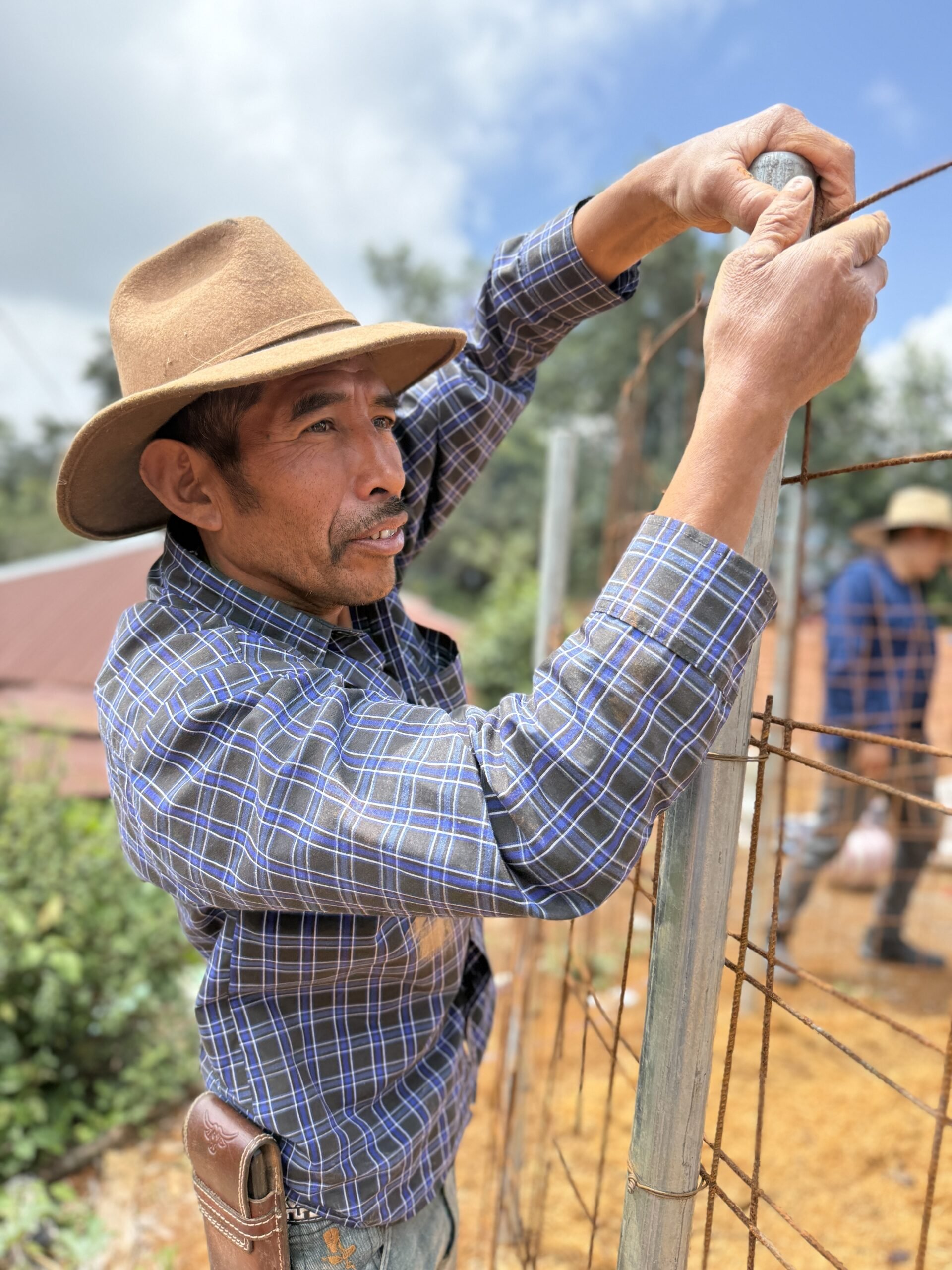
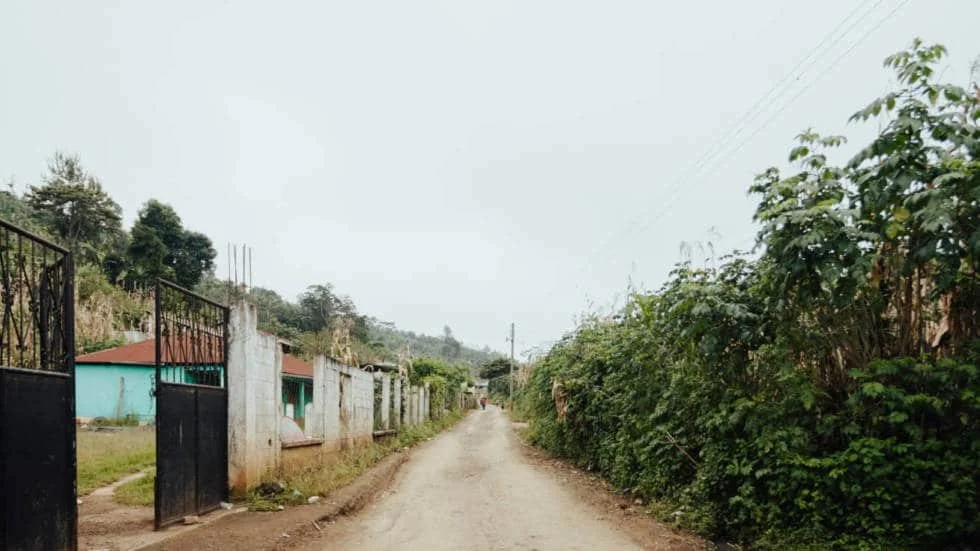
In 2016, the 410 Bridge started partnering with communities in beautiful Guatemala. Fun fact – we’re the only NGO working in the Western Highlands.
Because of our unique community development model, communities are empowered and projects become sustainable, they are not fully dependent on Western short-term missions teams to complete or maintain.
This allows each team time and energy to pursue relationships as they work alongside community members to reach their goals through activities, projects, and visits to their homes and churches.
We see teams encounter life-changing experiences and are inspired to continue using their gifts to serve the Kingdom!
A Partnership Built to Last
Our Partner Communities

Sponsor A Community
Take A Trip
History
GET TO KNOW GUATEMALA
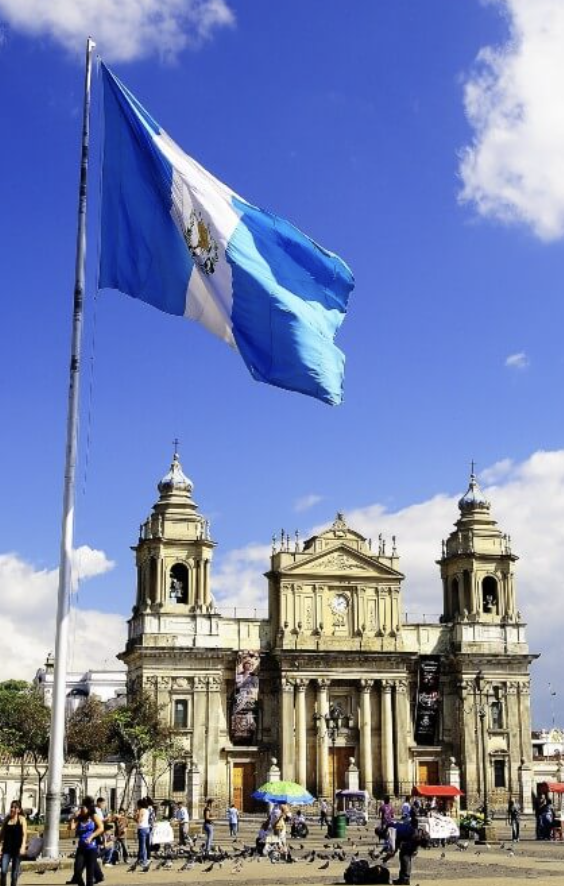
Around 10,000 B.C., it is believed that groups began to farm and form villages. Some of them became the Maya who dominated Guatemalan history from 250 A.D. to 900 A.D. In the 16th century, Spain invaded Guatemala and fought the largest remaining indigenous group, the Quiché.
In 1821, Guatemala claimed independence from Spain. Within 50 years of gaining independence, Guatemala’s economy was booming, thanks to coffee exports at the cost of indigenous people.
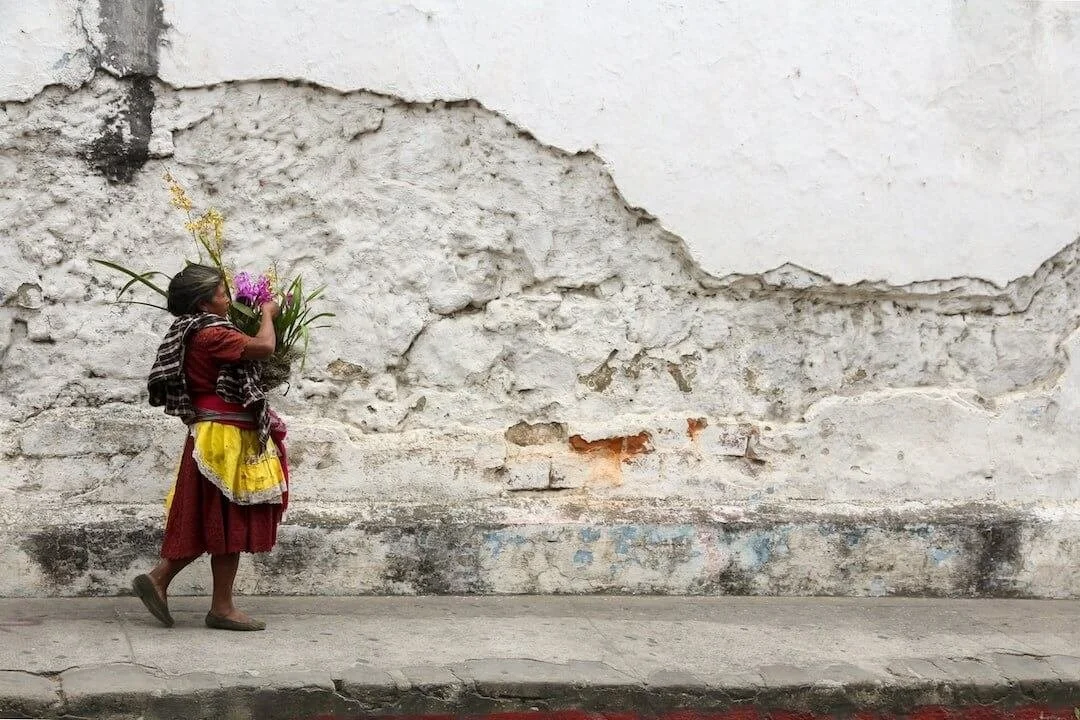
Guatemala has witnessed both economic growth and successful democratic elections, though it continues to struggle with high rates of poverty. Today, one-third of the population still lives in cool highland villages. Maya women continue to weave brightly colored cloth and fashion the same traje, or suit, that their ancestors wore. More than half of the population is indigenous.
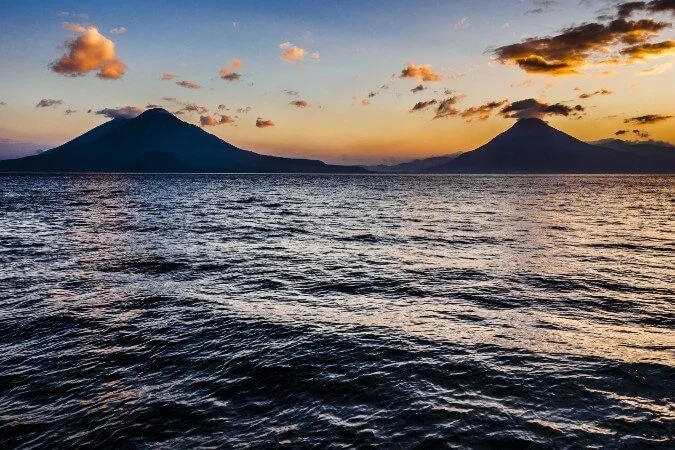
GET TO KNOW GUATEMALA
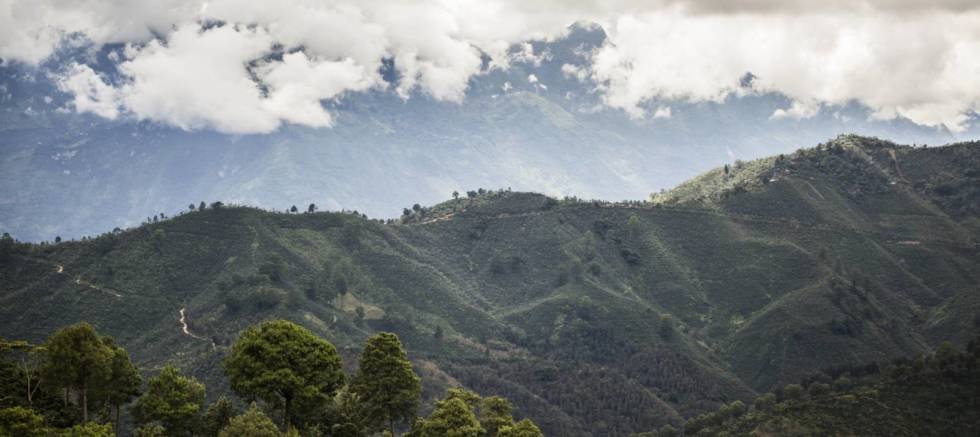
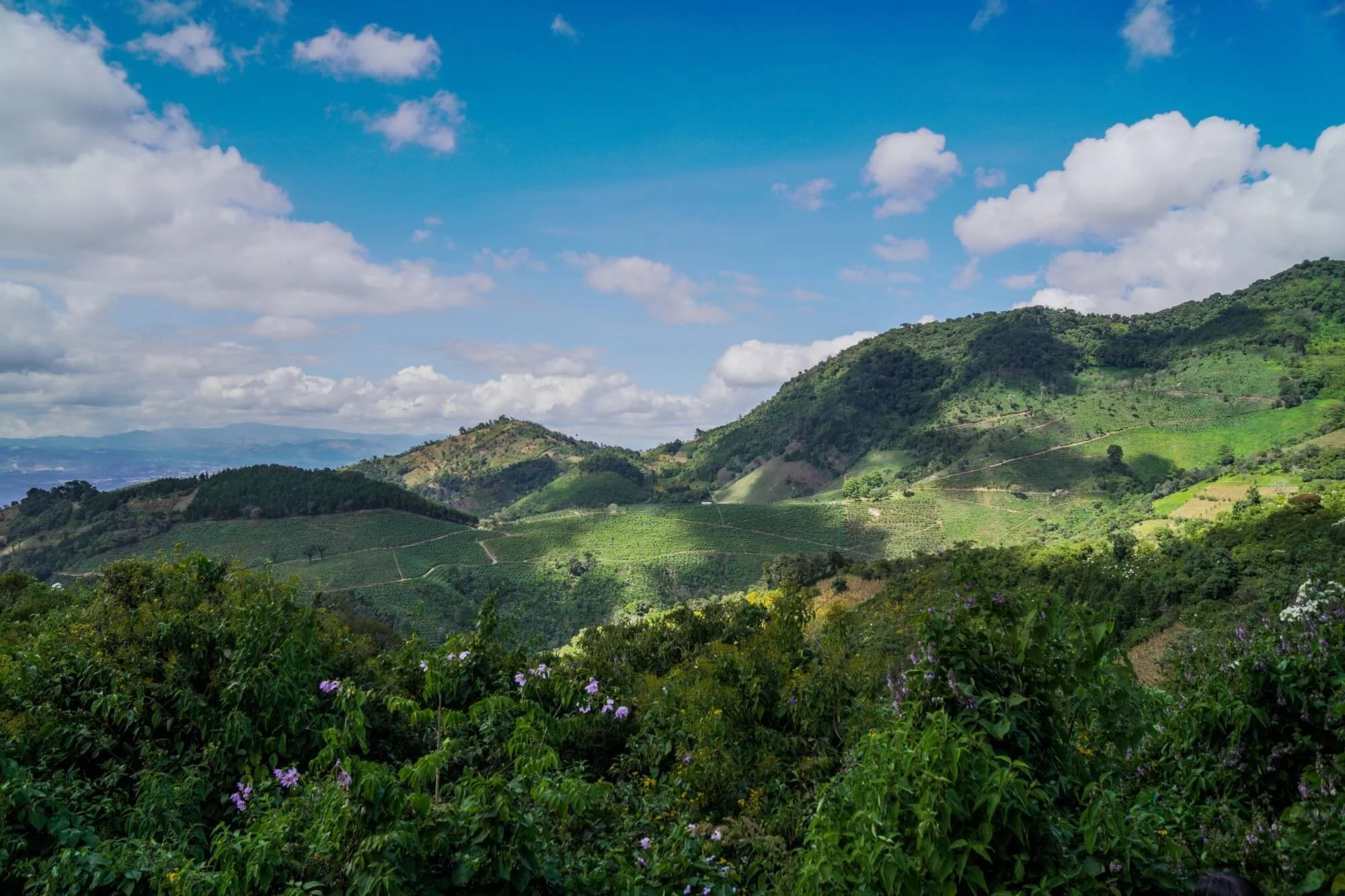
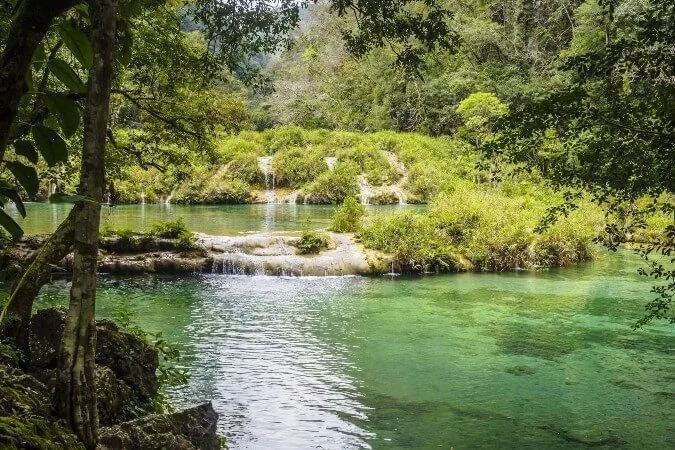
Guatemala’s climate is tropical, hot and humid in the lowlands, and cooler in the highlands. The coastal plains and lowlands have a distinctly tropical climate and temperatures range from highs of 100 Fahrenheit and lows of 70 Fahrenheit at night.
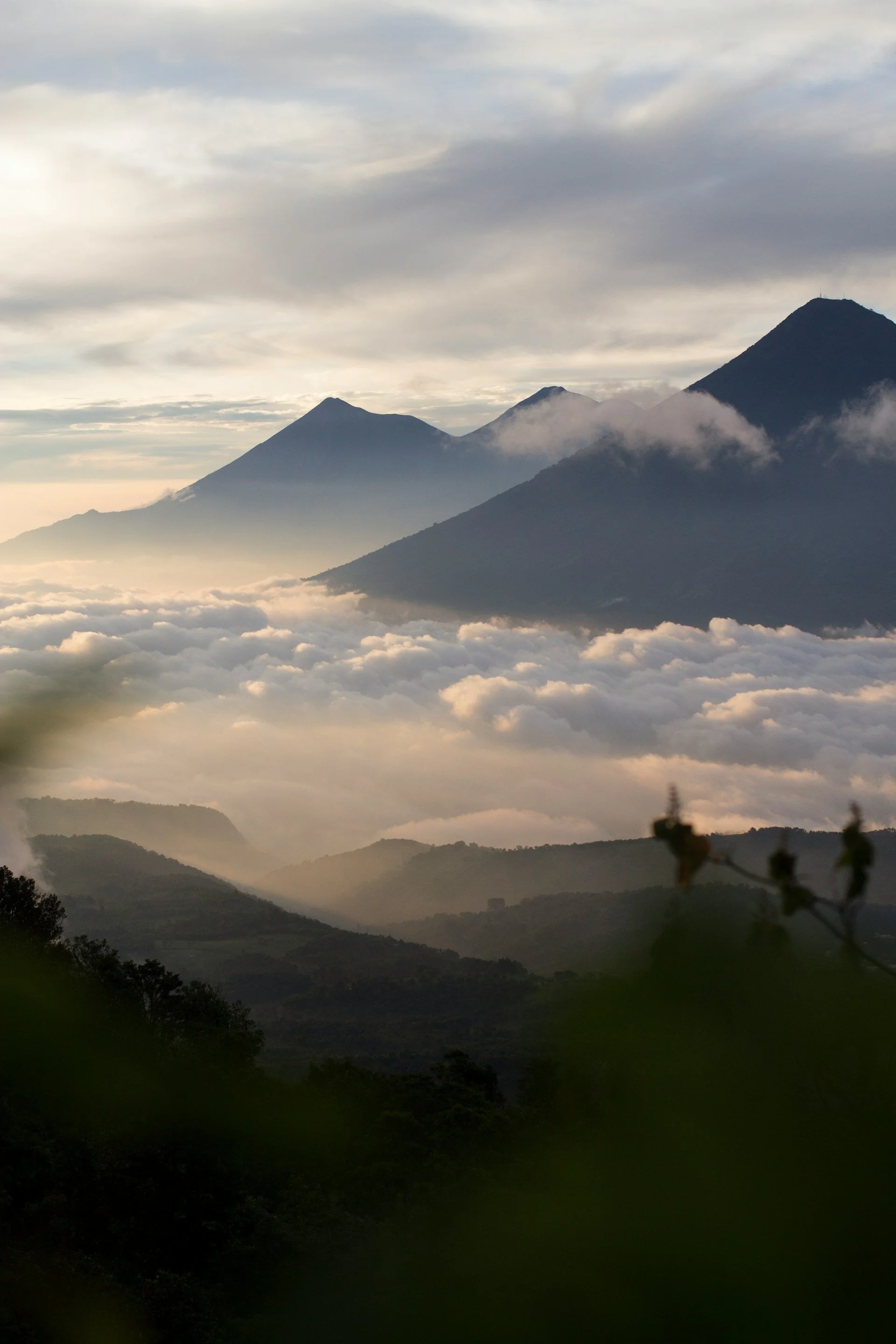
Most of Guatemala, however, is rural and mountainous. Nighttime temperatures in the mountains are cold and on occasion, nighttime temperatures can fall below freezing. Daytime temperatures average around 70 Fahrenheit.
Their rainy season runs from May through November.
Climate Conditions
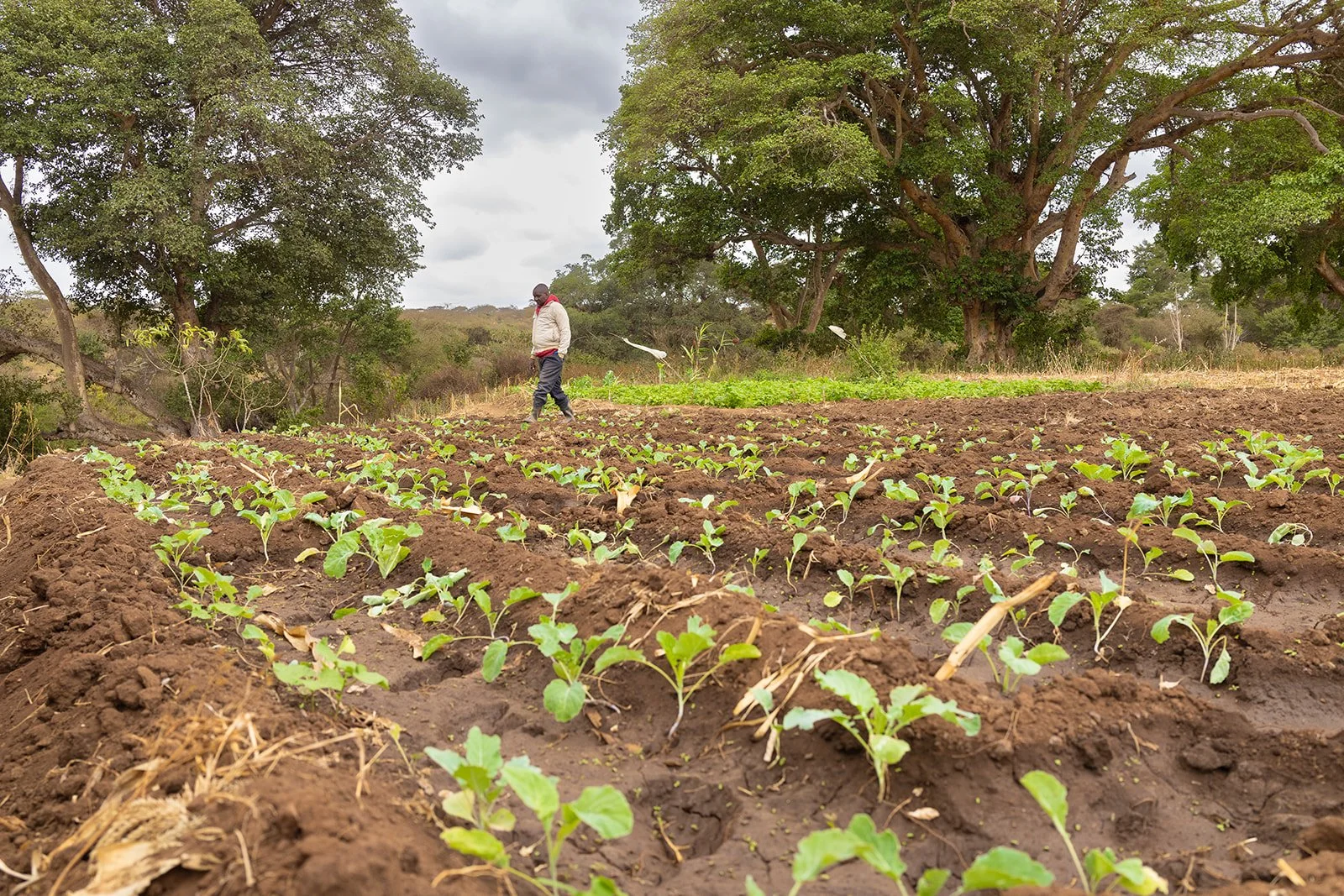
GET TO KNOW KENYA
Language & Etiquette
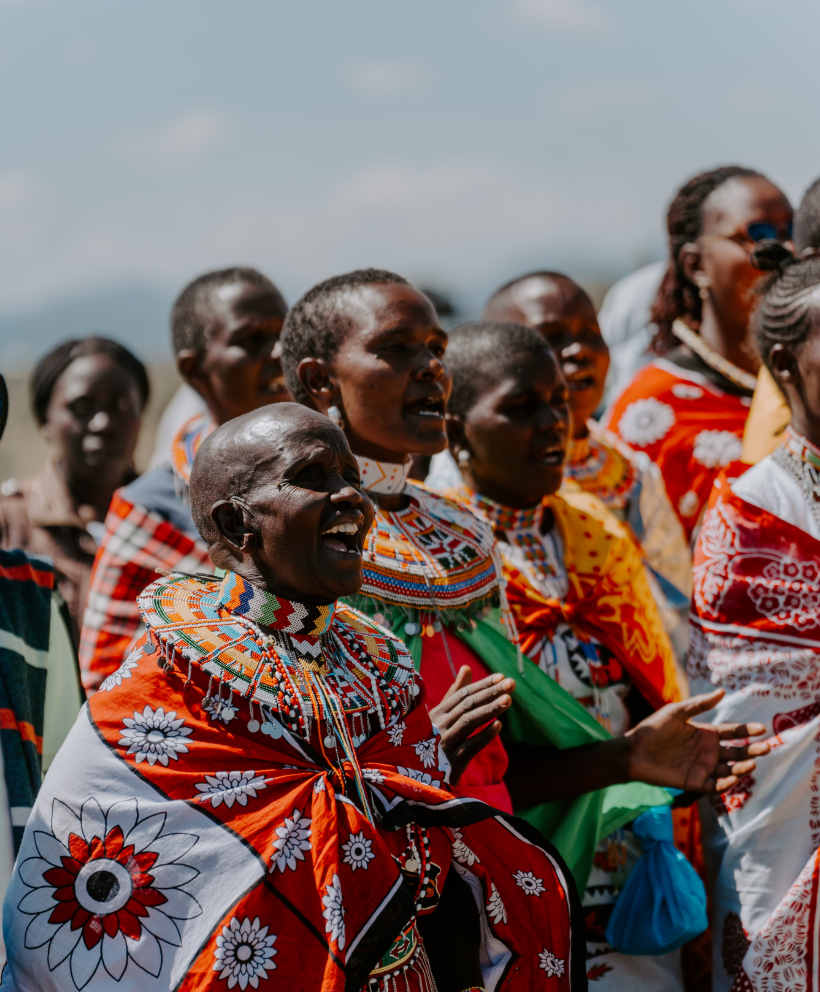
As a former British colony, you will find many Kenyans speak English; however, Swahili is the national language. There are over 42 ethnic languages spoken, including Kikuyu and Luo. It is always nice to be familiar with some common phrases and Kenyans appreciate any effort you make to learn even a few words in their language.
Africans tend to be less direct than Americans in the way they speak to one another. In developing new relationships, you will want to soften the direct way you ask questions and not ask too many personal questions right away.
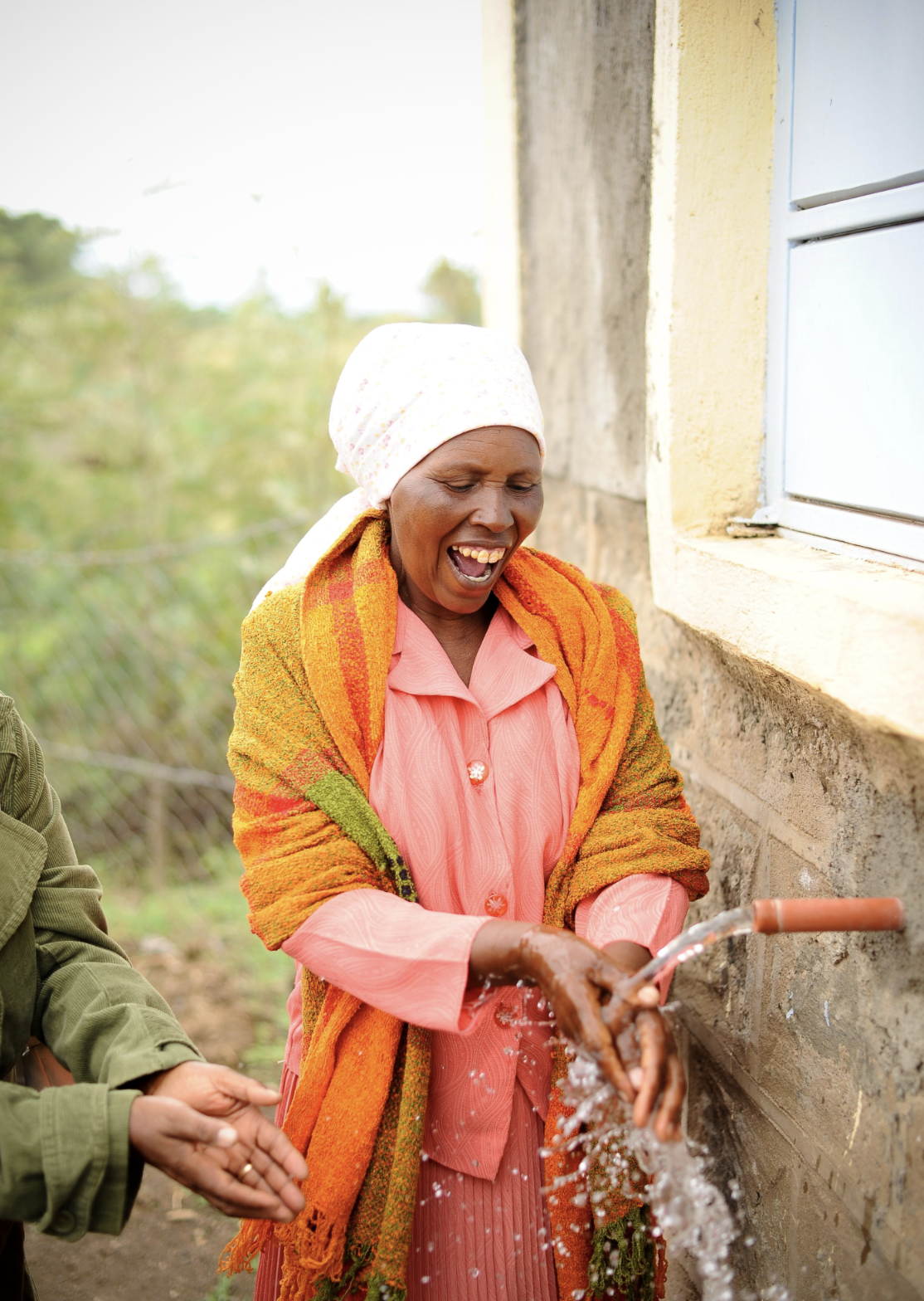
Kenyan table manners are relatively formal. Guests are expected to wash their hands before and after the meal. Sometimes, during home visits, a basin will be brought to you. If so, hold your hands over the basin while water is poured over them. Do not begin eating until the eldest male has been served and has started eating.