






Lessons
You and your team are about to embark on an incredible journey, immersing yourselves in a new culture. This lesson is designed to equip you with the essential knowledge and mindset to navigate this experience with respect, openness, and understanding. Tiffany emphasized a key mindset for your travels: approach the trip as a guest and learner.
Being a part of the 410 Bridge family in another community means showing respect, curiosity, and a willingness to learn. As you may have already noticed, flexibility is a core theme when traveling with the 410 Bridge. In different cultural contexts, day-to-day life and routines may vary from what you’re used to. Being adaptable will help you and your team navigate and enjoy these differences fully.
Understanding Culture
Culture can be defined as “the customs, social structures, and characteristics of a group of people in a specific place or time.” In the book Foreign to Familiar by Sarah A. Lanier, cultures are divided into “hot” and “cold” climate categories, which aren’t related to temperature but rather to values, communication styles, and social behaviors.
Here are a few examples of what this looks like:
Relationship-Oriented vs. Task-Oriented
In “hot climate” cultures (like those you’ll be visiting), people prioritize relationships over tasks. This means that the day’s agenda may adapt based on the interactions and relationships that arise. Instead of viewing time strictly by the clock, people often linger, talk, and build connections before diving into a task.
In the U.S., we often come from a “cold climate” culture, where we organize around tasks and expect strict adherence to schedules. For example, Americans tend to expect meetings to begin promptly and proceed according to a set agenda. In contrast, your hosts may want to spend time getting to know you before moving on to the agenda.
Indirect vs. Direct Communication
Hot climate cultures often use indirect communication, where messages may be implied rather than stated directly. This is a way of showing politeness and respect.
Cold climate cultures like the U.S. tend to favor directness. For instance, Americans might ask directly how long it will take to reach a destination, expecting an exact answer. In contrast, someone from a hot climate culture may answer with “not far” or “it will be a little while,” which indicates flexibility rather than a strict timeline.
Group Identity vs. Individualism
Many communities you will visit value group identity over individualism. Decisions are often made with the group in mind, embracing a “we” mentality.
In contrast, the U.S. values individualism and independence. Be mindful that actions you take may be viewed as reflective of your team or community rather than just yourself.
Event- vs. Time-Oriented
Hot climate cultures value presence and the importance of an event over strict adherence to time. Meetings and gatherings may start when everyone has arrived, and they last until the matters at hand are addressed.
Cold climate cultures are time-oriented, with strict schedules and time limits for activities. Prepare to adjust your expectations around time and focus on the experience rather than the clock.
The Push vs. Pull Approach
At 410 Bridge, we embrace a “pull” approach, which means we let the community take the lead in decision-making. In Western culture, we often try to “push” our ideas forward. However, through the pull approach, we listen to the community’s vision, ask questions, and support them in leading initiatives that they prioritize. This method fosters sustainable change and empowers communities to own their solutions.
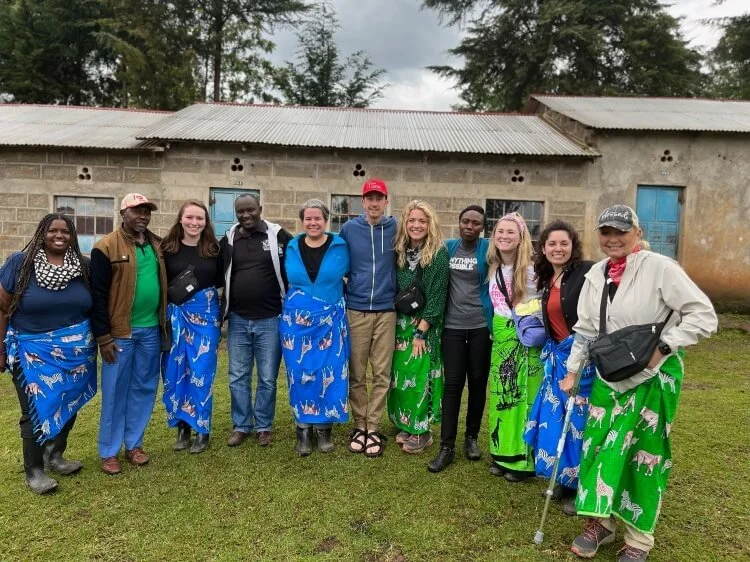
Cultural Differences and Adaptations
Here are some cultural considerations and tips to help you adapt:
Build Connections
Community members may initially be reserved. Take the first step with a warm smile—it can foster trust and openness
Embrace the Local Language
Learning simple phrases like “hello,” “goodbye,” and “thank you” can show respect and help you connect with locals.
Be Mindful of Resources
Take only what you need, whether it’s food or water, as wastefulness may come across as disrespectful in communities where resources can be scarce.
Avoid Sarcasm
Language barriers can lead to misunderstandings, so it’s best to communicate in a straightforward and clear way.
Respect Local Leadership and Solutions
Community decisions should come from local leaders. While you may have ideas, let the community take the lead.
Choose Your Words Wisely
Many locals may understand English, even if they don’t speak it. Be mindful of your words, and show respect.
Accept Hospitality Graciously
If you are offered food, accept it graciously, as it is given in kindness. If you can’t eat something, a polite “No, thank you” will suffice.
Understand Different Perspectives on Time
Flexibility is key. Time may not be as structured as it is in the U.S., so be patient and embrace the pace.
Resources
Disclaimer: The Bridge App has been phased out. All required resources can be found in the FAQ section on the individual country page(s).
Reflection Questions
Please discuss these reflection questions with your team.
How can I demonstrate respect and openness to the community I’m visiting?
What adjustments might I need to make to adapt to a different perspective on time and hospitality?
How can I practice listening and observing rather than leading?
What assumptions might I need to set aside to truly learn from the community’s way of life?
How can I practice the “pull” approach in my interactions, encouraging community-driven ideas?
Knowledge Check
Before you continue
Answer all five questions correctly to unlock the next lesson. You can retry as many times as you need.
-
Task completion.
Relationships and community.
Individual achievements.
Strict schedules.
-
Indirect communication.
Relationship-driven schedules.
Event-oriented mentality.
Direct and concise communication.
-
Take it as a polite decline and not press further.
Ask the question again.
Interpret it as a definite “yes.”
Encourage them to give a specific time.
-
The community should be directed to meet organization goals.
Solutions should come from the community leaders, with support from the organization.
The organization should control the solutions provided.
Solutions should be determined in advance by the organization.
-
“What tasks do you have planned for today?”
“How long will our meeting take?”
“It’s nice to meet you! How is your family?”
“Please follow the schedule provided.”