



After a Year of Chaos, What Will this Christmas look like for Haiti?
Normally in the month of November, you’ll start hearing Christmas songs blast from cars and shops throughout Haiti as everyone begins to get into the Christmas spirit. Christmas trees start going up inside businesses and homes. If a family can’t afford a tree, then they may put up other decorations like flashing red and green lights. Families start planning for their big dinner celebrations on December 24th where they will serve rice with djon djon (Haitian mushrooms), beans, fried chicken, goat, and plantains. They might enjoy “kremas” a seasonal drink made of condensed and evaporated milk with cream of coconut, nutmeg, cinnamon, vanilla, lime, and more. Churches start to plan special services and Christmas concerts for the local communities. Children enjoy a break from school and getting to play with their friends and toys. But this year in Haiti, things will look and sound drastically different. “Haiti is in the middle of a humanitarian disaster. Gang warfare has deepened since the assassination of President Jovenel Moïse in the summer of 2021. Hunger has intensified. Cholera is spreading, as it has before, partly because armed groups are preventing doctors from providing care.” (Moses, The New York Times) Worsening gang violence has brought regular kidnappings, gang rapes, murder, and more to cities like Port-Au-Prince. Skyrocketing fuel costs, protests, roadblocks set up by gangs, and inflation crippled the already hard-pressed economy. People are scared to leave their homes. Schools have been shut down for months.
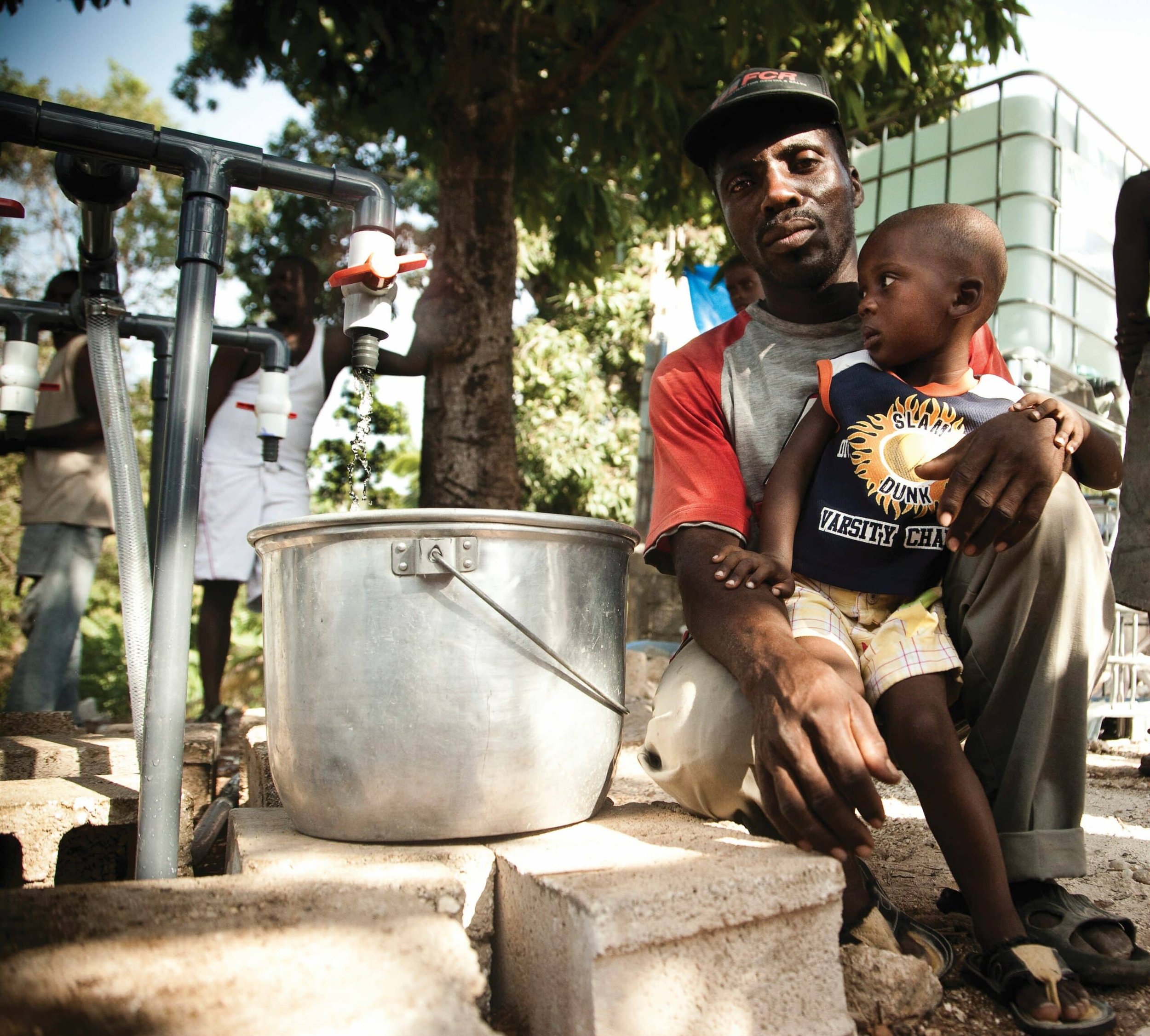
Our very own 410 Bridge Haitian communities and in-country staff continue to deal with these realities daily. We had one staff member share her story about spending all day and night belly-crawling on her kitchen floor so she wouldn’t be hit by stray bullets. Others have had family members kidnapped. Buying the bare necessities like food can be a dangerous process. In some of our communities, we’ve had to completely halt projects and programs, simply because it was not safe for anyone to travel or work. In other communities, specifically in the southern region, we have been able to continue our work, however, it’s very slow because of the rising fuel prices, inflation, and supply chain issues. Our Haitian in-country staff has continued to work, despite these challenges, and partner with our communities living in extreme poverty. They complete what they can while praying and hoping for restoration for their people and country. This Christmas season, we ask you to remember our precious Haitian communities and staff. Please take time to lift them up in prayer, specifically for their safety and health. If you’d like to support our work in Haiti, as well as Kenya, Guatemala and Uganda, please click here. Moses, Claire. " Cholera and Crime." The New York Times, 27 November 2022, https://www.nytimes.com/2022/11/27/briefing/haiti-cholera.html. Accessed 28 November 2022